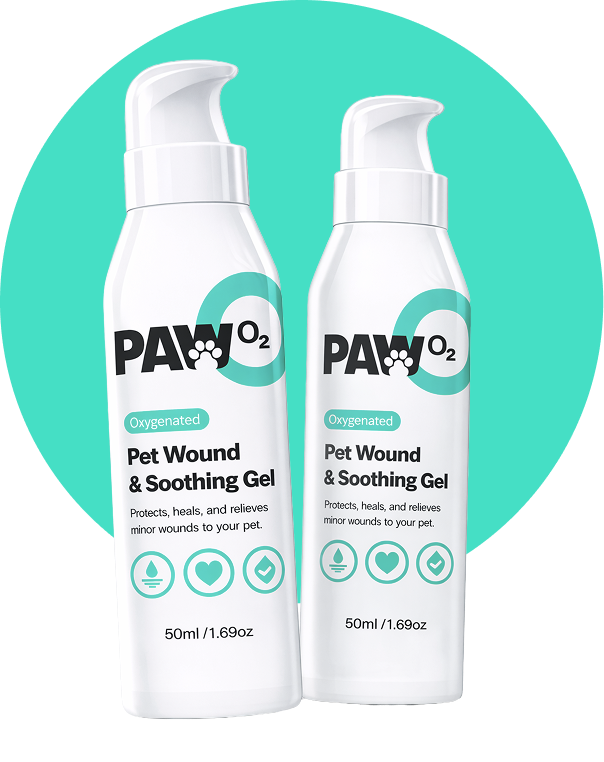
PAW O2 Product
Oxygen-Powered Pet Wellness & Soothing Gel

Soothe, hydrate, and get them back on their paws.

Rapid Oxygenation

Oxygenating Formula

Delivers soothing, oxygen-infused hydration where your pet needs it.

Veterinarian Tested

Veterinarian Tested

Formulated with trusted, skin-soothing ingredients.

Safe for All Pets

Gentle Formulation

Gentle enough for paws, skin, and everyday care.

How it works

Provides a refreshing oxygen-powered boost of hydration exactly where your pet's skin needs it. PAW O2 is designed for easy application and soothing, skin-calming support.
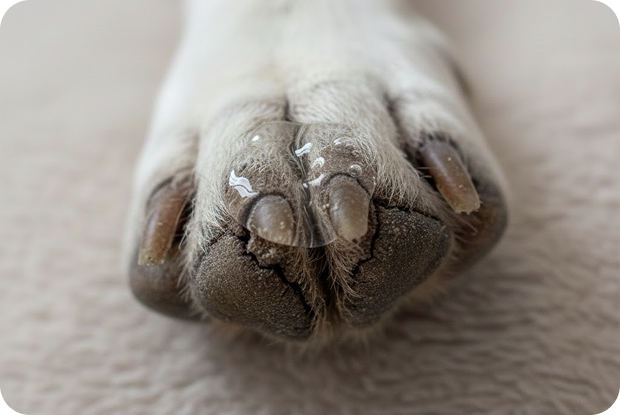
Pet paw
Direct application + soothing protection = gentler, more comfortable recovery.

Using PAW O2

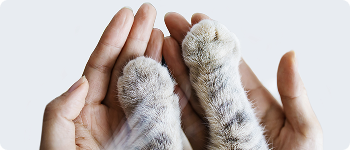
Image of cat paws

Minor skin irritations

Sensitive areas, dry patches, day-to-day skin care

Image of dog after a walk

Paw care after walks

After walks and outdoor activity
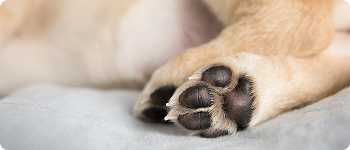
Image of dry patches

Dry or rough skin

Paws, elbows, and dry patches

Directions

Step 1
Apply to paws or skin you wish to groom
Step 2
Apply a thin layer of gel

Optional: PAW O2 contains a bittering agent to discourage licking. It is not harmful to touch, but the taste transfers easily to hands and can linger. Gloves may be worn if preferred, or wash hands thoroughly after applying.

Repeat
Reapply as desired

Ingredients

Water (Aqua), Glycerin, Pentylene Glycol, Carbomer (Thickening Agent), Propylene Glycol, Phenoxyethanol (Preservative), Triethanolamine, Sodium Hyaluronate, Ethylhexylglycerin, Sodium Phytate, Denatonium Benzoate (Bittering Agent), Oxygen

  • Vegan & cruelty-free
  • Paraben-free
  • Fragrance and dye-free
  • Hydrating and soothing
  • Breathable and gentle
  • Made in the USA
  • Globally sourced ingredients

Loved by Pet Owners & Vets

“PAW O2 keeps my dog's paws looking and feeling great — it's part of our daily routine now..”
— Jamie R., Dog Owner
“Finally something that works for my cat's sensitive skin!”
— Alex T., Cat Owner

FAQ

PAW O2 is a specialized grooming hydrogel designed for everyday paw and skin care.
PAW O2 features an oxygen-enriched formula designed to support deep hydration and comfort. The gel helps create a soothing environment for minor cuts, abrasions, hot spots, itchy or sensitive skin, cracked paw pads, dry elbows, and insect bites or stings.
For best results, clean the affected area first and apply a thin layer of PAW O2 2-3 times daily. Use as directed by your licensed veterinarian.
Yes, safety is our top priority. Our gel is formulated with non-toxic, pet-safe ingredients. It is sting-free and safe even if your pet happens to lick the area after application. We always recommend a small patch test for pets with extremely sensitive skin, but our formula is designed to be gentle on all breeds.
Yes. We know pets love to lick! PAW O2 is formulated with non-toxic, pet-safe ingredients. While we recommend trying to keep your pet from licking the wound so it can heal faster (using a cone or bandage), the gel itself is safe if ingested in small amounts. Additionally, to discourage consumption by you and your dogs, cats, and other household pets, Paw O2 contains Denatonium Benzoate, a safe and highly effective bittering agent.
Yes. It's designed for minor skin care needs, including small nicks and irritations. For more serious conditions, consult your veterinarian.
Yes. You can apply the gel directly to the wound and then cover it with a breathable bandage, or apply it over a dressing to keep the area moisturized and protected.
While PAW O2 is excellent for minor first aid, you should consult a vet if the wound is deep (puncture), bleeding excessively, shows signs of infection, or if your pet seems lethargic.
No, PAW O2 gel is not made for consumption.
Store at room temperature (68°F-75°F). Do not store above 120°F. Contents are pressurized—do not puncture or incinerate.
We recommend using the product within 3 months of opening. Generally, cans should be discarded after 6 months, or sooner if contaminated.
Have a question we didn't answer? Send us a message
Veterinary Plus
Veterinary Professionals
Interested in carrying PAW O2 or learning more about clinical use?
Message Message us